




The New Office Checklist: How Tenant Demands Are Reshaping HCMC's Office Market
The criteria businesses use to select office space in Ho Chi Minh City have shifted in ways that are now structurally visible in leasing data. Square footage and location remain relevant, but they are no longer sufficient. A new checklist has emerged, and buildings that cannot meet it are losing ground.
Vietnam's GDP grew 7.8% in Q1/2026, and foreign direct investment reached US$15.2 billion in the same period, up 42.9% year-on-year. As multinational companies expand or establish regional footholds in HCMC, the standards they bring with them from global headquarters are reshaping what "acceptable" office space looks like in this market.
The gap between buildings that meet these standards and those that do not is widening, and it is showing up in rents and occupancy across Grade A and Grade B segments.
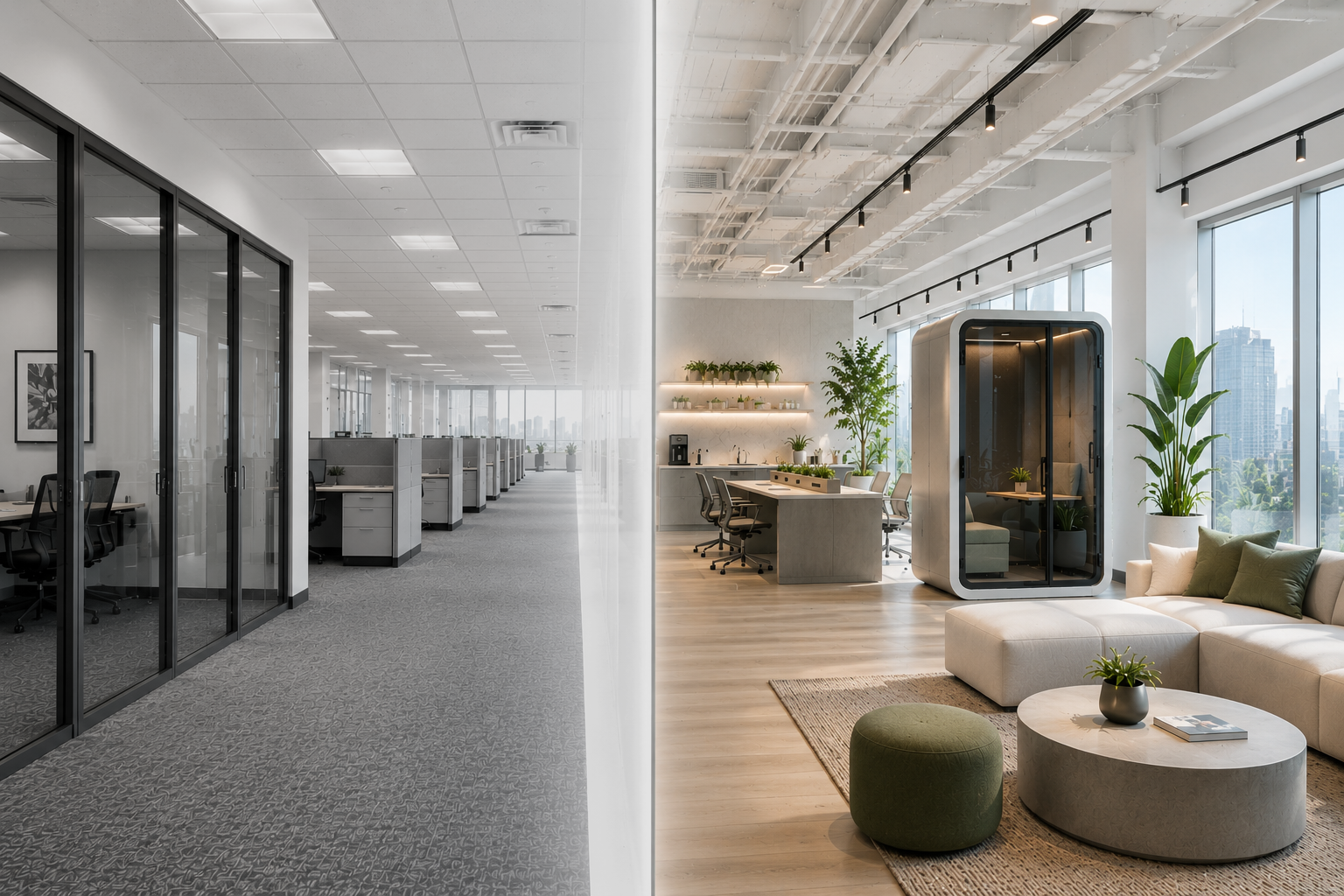
From Traditional to Human-Centric: Four Dimensions of Change
The shift is most visible across four dimensions of the workplace experience. What was once tolerated as standard is now actively avoided by quality tenants.
What This Looks Like in HCMC's Office Market
HCMC's total office supply exceeded 1.8 million sqm in Q1/2026, keeping market-wide vacancy relatively stable with no new completions during the quarter. But the headline numbers obscure a more important dynamic: performance is polarizing sharply between buildings that meet the new checklist and those that do not.
Grade A buildings, particularly those in the CBD with green certification, efficient floor plates, and modern building management systems, maintained asking rents of US$54.5/sqm/month with occupancy at 84.6%. Grade B averaged US$33.9/sqm/month at 87.9% occupancy, reflecting solid demand from cost-conscious occupiers. But within both segments, the gap between the best-performing assets and the weakest is growing.
Older buildings without sustainability credentials, poor column grids, or limited common amenities are increasingly being bypassed in favor of newer, better-specified alternatives, even when the rent gap is significant. For landlords of aging stock, the message is clear: repositioning is no longer optional.
"The definition of a competitive office building in HCMC has changed. Green certification, air quality, and collaborative space design are now table stakes, not differentiators."
What Tenants Are Prioritizing: Building Amenities
The amenities that matter most to multinational occupiers in Vietnam have shifted toward operational reliability and wellbeing infrastructure. The data below reflects what enterprise tenants are actively evaluating in leasing decisions.
The Green Building Premium Is Real
In Q1/2026, the green transformation trend is rapidly being adopted across Vietnam's commercial real estate market. The office market is entering a new competitive cycle where green standards, technology integration, and operational efficiency are essential tenant requirements, according to NAI Vietnam Research. Buildings without these credentials face displacement risk as newer, better-equipped developments enter the market.
This dynamic is particularly acute in the context of the HCMC International Financial Centre, where the government is actively courting financial institutions and multinational professional services firms, organizations that are among the most demanding in terms of ESG compliance and workspace quality standards.
For tenants, the practical implication is straightforward: securing space in a certified, well-managed building now, before the IFC cluster matures and the premium for quality is fully priced in, is likely to yield better lease terms than waiting. For landlords of older assets, the window for repositioning before occupier flight accelerates is narrowing.
NAI Vietnam's Perspective
We work with FDI companies and enterprise occupiers navigating these decisions across HCMC's office market. The shift described in this article is not a prediction; it is visible today in how tenants shortlist buildings, structure requirements, and negotiate lease terms. Green certification, floor plate efficiency, air quality systems, and collaboration-ready design are now part of the first conversation, not an afterthought.
If you are planning an office move or evaluating your current space against the new standard, NAI Vietnam's advisory team is available for a market assessment tailored to your requirements.