


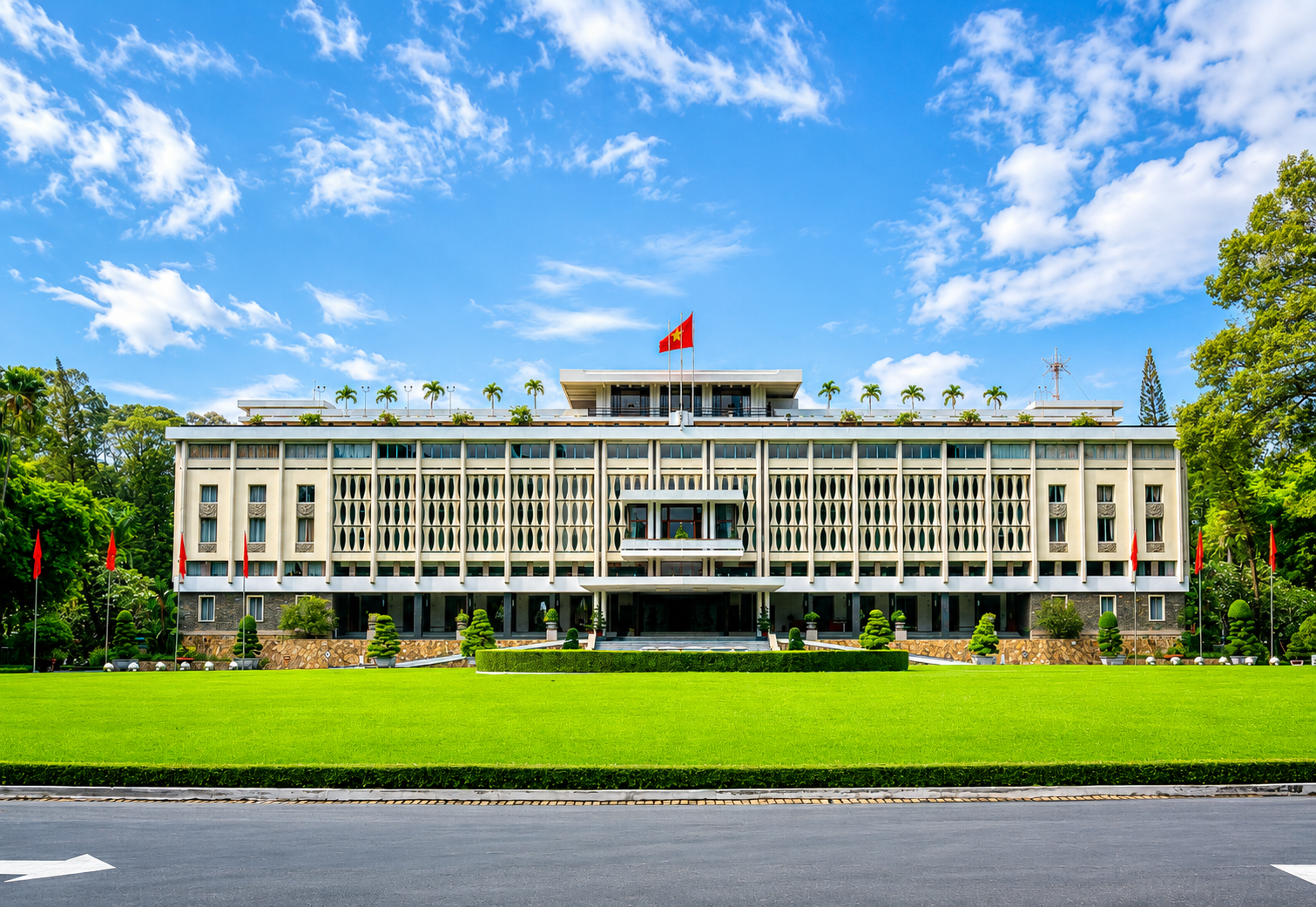



Ho Chi Minh City 2075: A 100-Year Vision for the Future of Commercial Real Estate
Ho Chi Minh City is entering a new era of metropolitan transformation. Its expanded administrative boundaries and newly approved long-term master plan are reshaping the city's economic geography, infrastructure priorities, and commercial real estate investment landscape.
Executive Summary & Macroeconomic Foundation
As Vietnam's principal economic center, HCMC is positioning itself to strengthen its role as a regional hub for finance, advanced manufacturing, international trade, and logistics.
In Q3/2026, Vietnam recorded national GDP growth of 9.9% year-on-year (YoY). Registered foreign investment reached US$50.4 billion through September 2026, increasing 76.4% YoY, while implemented FDI expanded by 12.1% to US$21.1 billion. Despite CPI inflation of 4.8% YoY in Q3/2026 and a cumulative nine-month trade deficit of approximately US$19.4 billion, the September trade surplus of US$1.3 billion provided a positive monthly reversal.
Against this backdrop, the Municipal People's Council formally approved HCMC's long-term master plan, establishing a 50-year spatial development framework within a broader 100-year metropolitan vision. The plan covers an expanded administrative territory of approximately 6,772 km² and provides a strategic foundation for consolidating the city's position as one of Southeast Asia's leading industrial, commercial, and financial centers.
| Key Indicator | Metric |
|---|---|
| Master Plan Spatial Scope | Approximately 6,772 km² |
| Target Metropolitan Population (2050) | Approximately 27 million |
| Target GRDP (2030) | US$200–225 billion |
| National GDP Growth (Q3/2026) | 9.9% YoY |
| National CPI Inflation (Q3/2026) | 4.8% YoY |
| Registered Foreign Investment (Jan–Sep 2026) | US$50.4 billion (+76.4% YoY) |
| Implemented FDI (Jan–Sep 2026) | US$21.1 billion (+12.1% YoY) |
| Trade Balance (Jan–Sep 2026) | Approximately US$19.4 billion deficit |
The master plan represents a structural transition from a predominantly monocentric urban model toward a multi-polar metropolitan economy. Designed to accommodate approximately 27 million residents by 2050, the framework establishes the spatial foundations for a targeted GRDP of US$200–225 billion by 2030.
By distributing economic activities across specialized growth poles and connecting them through high-capacity infrastructure corridors, HCMC aims to create new locations for corporate operations, industrial production, financial services, and international logistics.
| Policy / Infrastructure Driver | Potential Impact on Commercial Real Estate |
|---|---|
| SBV Decision No. 1743/QD-NHNN – State Treasury Deposit LDR Adjustment | Adjusts the treatment of State Treasury deposits within the Loan-to-Deposit Ratio (LDR) framework, potentially improving bank liquidity and supporting credit availability for business and real estate activities. |
| Resolution No. 19-NQ/TW – Development Model Reform | Prioritizes high-value manufacturing, digital economy integration, and sustainable infrastructure, supporting demand for modern offices, advanced industrial developments, and technology-oriented commercial assets. |
| Resolution No. 21-NQ/TW – Land Policy & Legislative Reform | Establishes orientations for improving land valuation mechanisms, accelerating project clearance, and addressing regulatory bottlenecks affecting commercial development. |
| Long Thanh International Airport – ORAT Program | The phased ORAT trial (September–December 2026) strengthens the long-term logistics and connectivity outlook for Eastern HCMC, Dong Nai, and surrounding industrial corridors. |
Spatial Architecture: Five Growth Poles & Strategic Connectivity
To relieve development pressure on the historic urban core and establish new economic centers across the expanded metropolitan territory, HCMC's spatial development strategy adopts a multi-polar growth model. This framework distributes financial, technological, industrial, maritime, and commercial activities across five primary growth poles, each connected through regional infrastructure networks and supporting satellite centers.
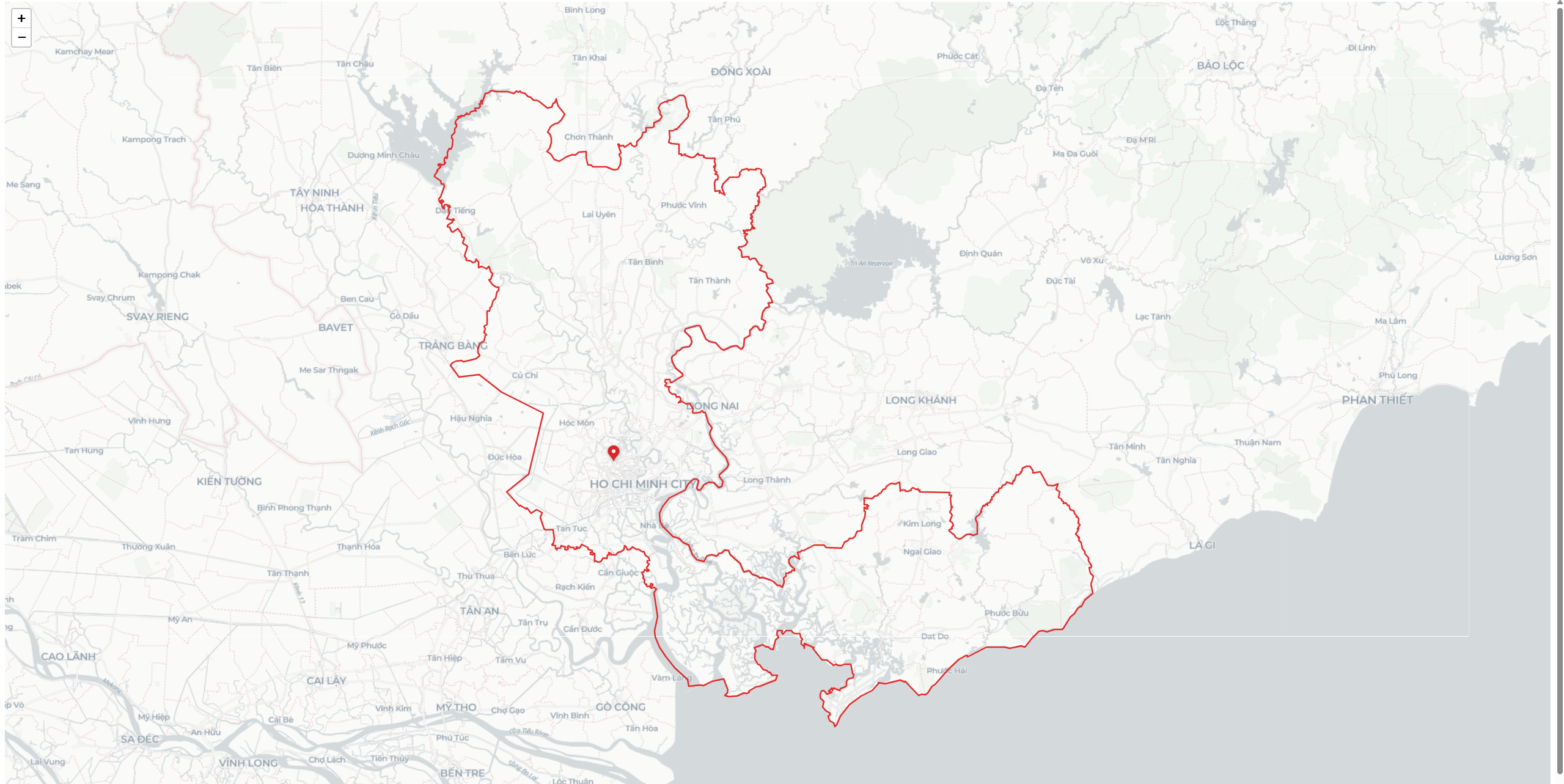 1 2 3 4 5
- 1 Core Financial Hub
- 2 Eastern Innovation Pole
- 3 Northern Industrial & Logistics
- 4 Southern Maritime & Free Trade
- 5 Western Urban & Commercial Services
1. Core Financial Hub – Historical Urban Core
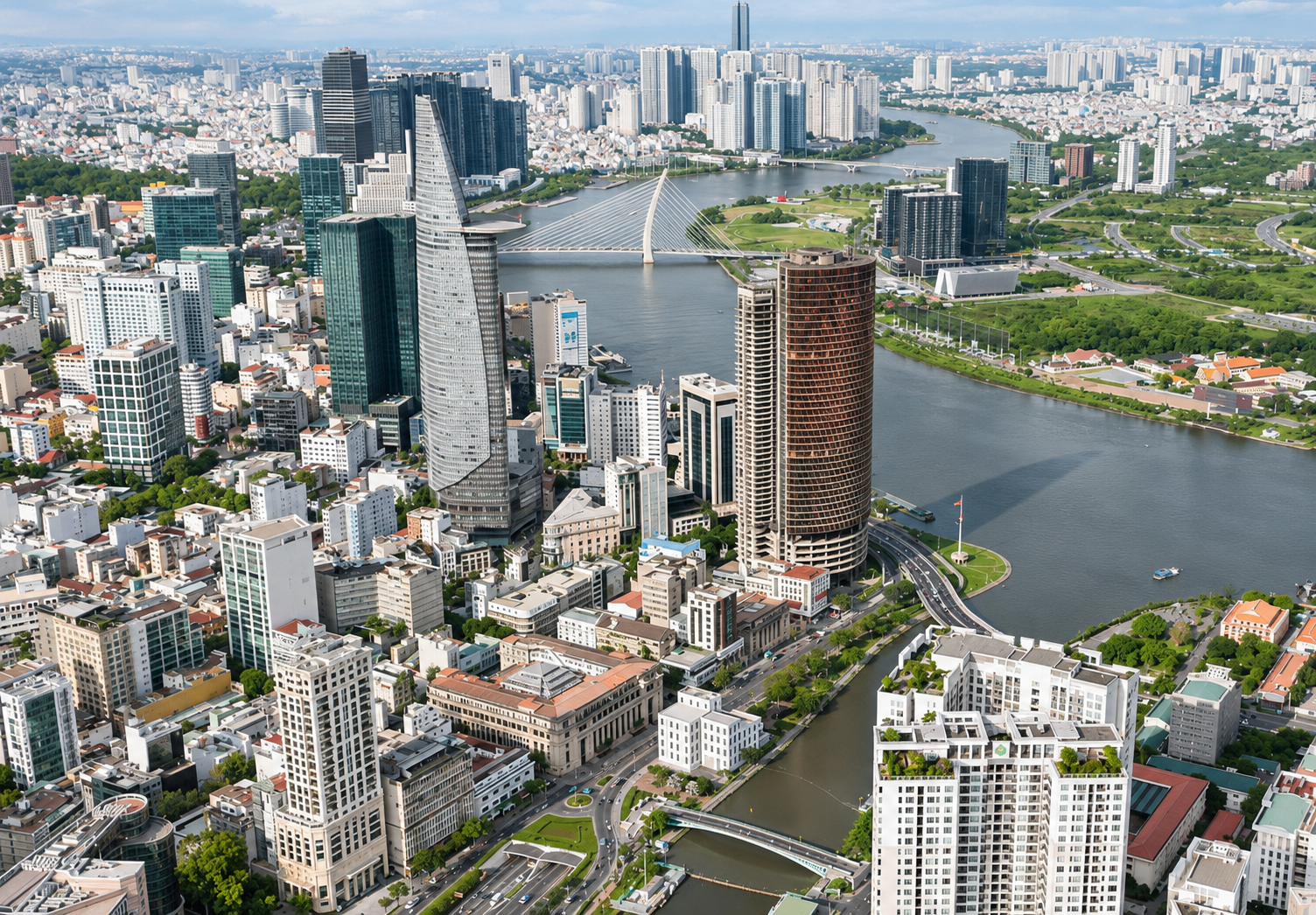
Anchored by the Vietnam International Financial Center (VIFC) and the traditional downtown business district, this area is expected to retain its position as HCMC's primary corporate and financial destination. With CBD Grade A office rents reaching approximately US$53.8/sqm/month, compared with US$36.4/sqm/month in non-CBD submarkets, the core financial hub continues to command a significant rental premium.
2. Eastern Innovation Pole – Thu Duc, Thuan An & Di An
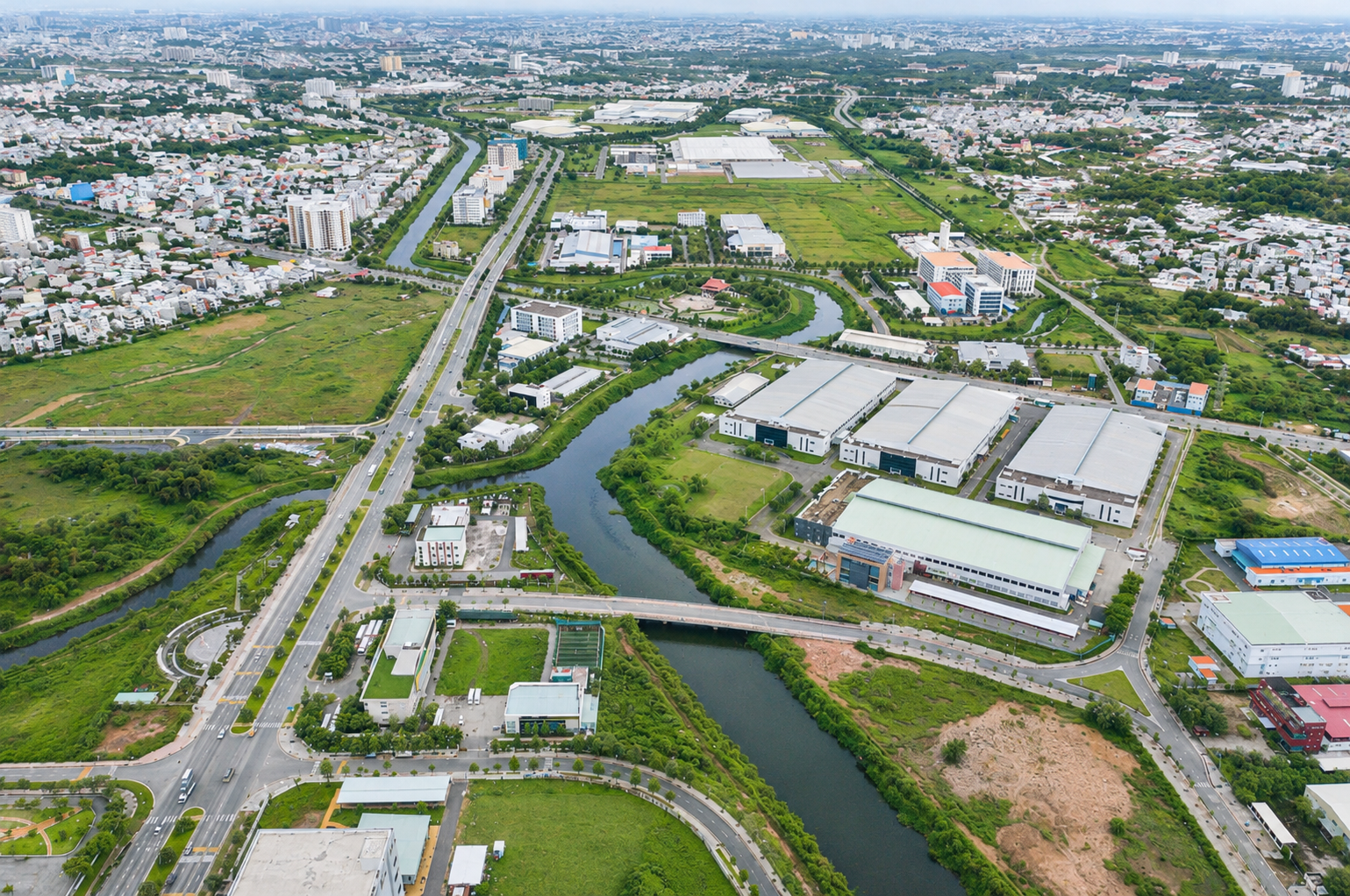
Leveraging its proximity to established technology infrastructure, industrial clusters, and regional transport corridors, the eastern development area is positioned to attract high-value manufacturing investment and technology-oriented businesses. Its connectivity to the Long Thanh International Airport corridor strengthens its potential for technology enterprises, research institutions, and advanced industrial operators.
3. Northern Industrial & Logistics Hub
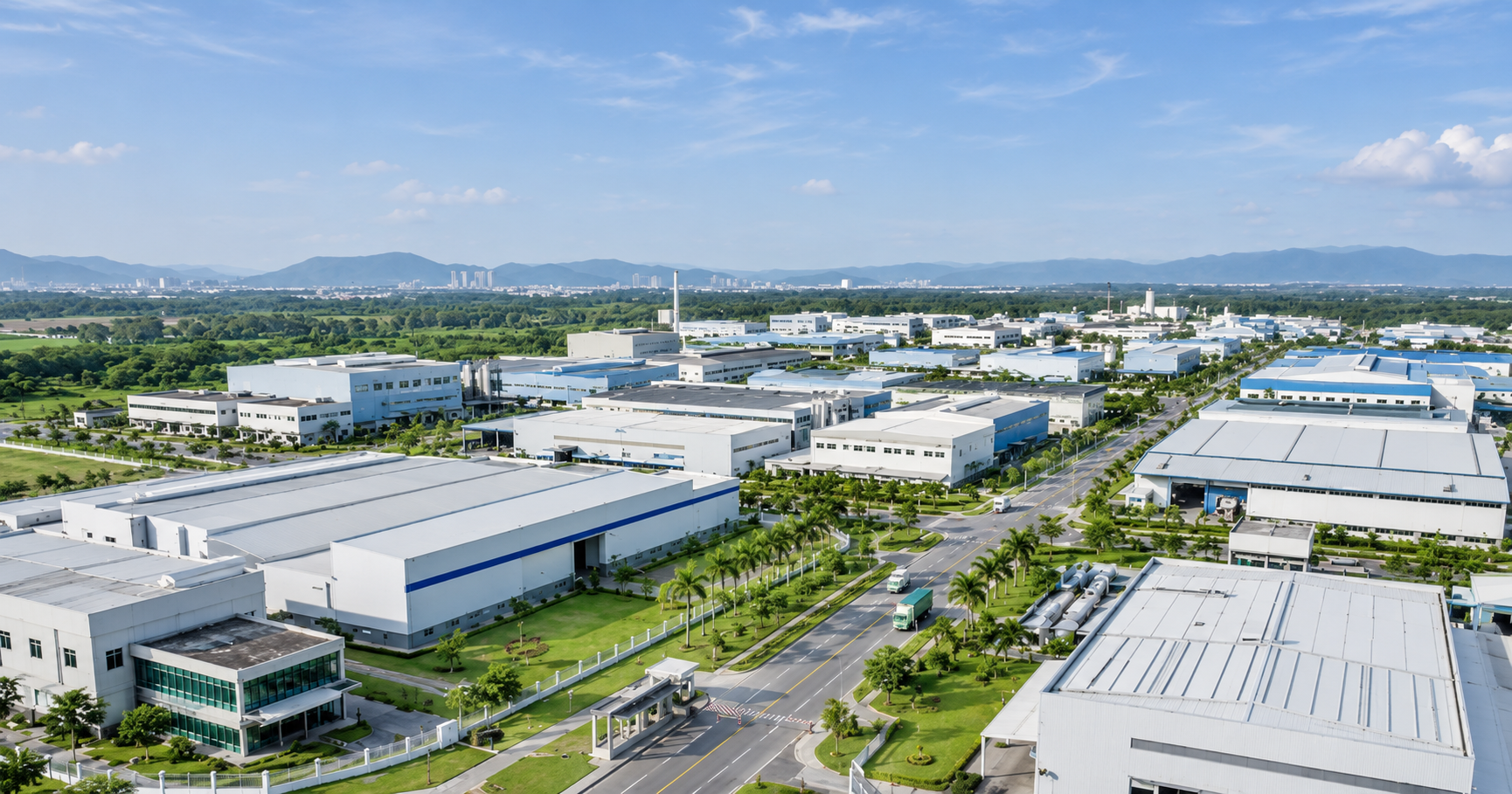
This growth pole strengthens HCMC's industrial integration with neighboring manufacturing centers and regional logistics corridors. Its expanded industrial land availability provides opportunities for manufacturing relocation, supply chain diversification, and industrial capacity expansion, closely linked to surrounding industrial provinces and improving road connectivity.
4. Southern Maritime & Free Trade Hub
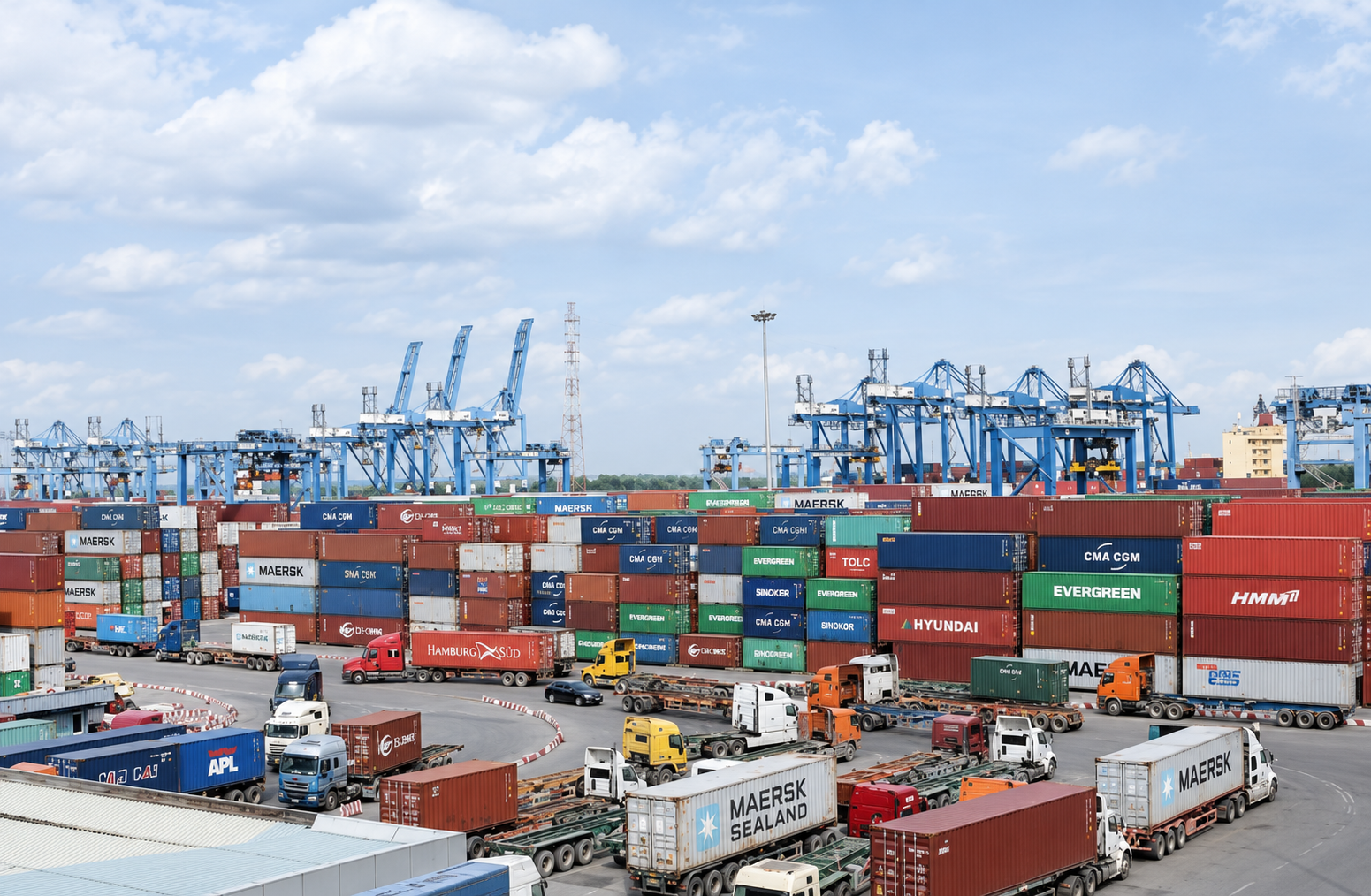
Anchored by the Can Gio deep-sea port project and the Cat Lai–Cai Mep maritime corridor, this growth pole is intended to strengthen HCMC's position within international maritime trade and global supply chains. The integration of deep-water port infrastructure, industrial facilities, and regional expressways could establish new opportunities for international logistics, transshipment, and export-oriented businesses.
5. Western Urban & Commercial Services Pole
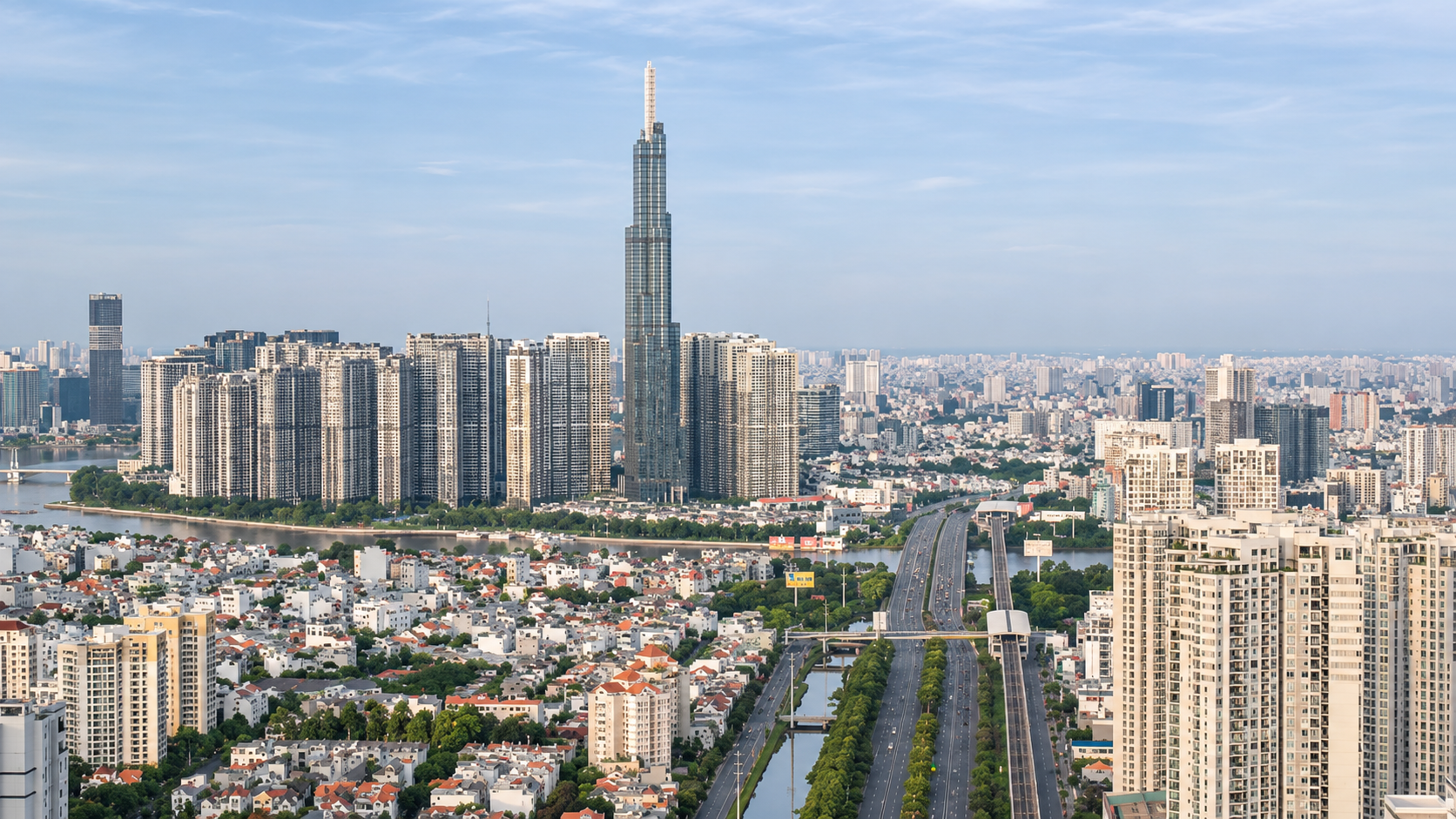
This area supports the decentralization of economic and institutional functions from the historic urban core while strengthening the provision of essential services across the expanded metropolitan territory. Its long-term commercial potential will depend on infrastructure delivery, business formation, and the development of supporting commercial facilities.
Satellite Centers & Ecological Backbone
Supporting the five primary growth poles is a secondary network of strategic satellite centers and environmental corridors, expected to support specialized regional economic activities, industrial development, tourism, and commercial services.
- Con Dao
- Long Hai–Ho Tram
- Hoc Mon–Cu Chi
- Bau Bang
- Tan Uyen–Bac Tan Uyen
- Saigon–Dong Nai River Green-Blue Corridor
The Saigon–Dong Nai River green-blue corridor functions as an important metropolitan ecological system, supporting flood mitigation, regional drainage, environmental protection, and long-term urban resilience.
Infrastructure Breakthroughs: TOD Network & Multi-Layered Urbanism
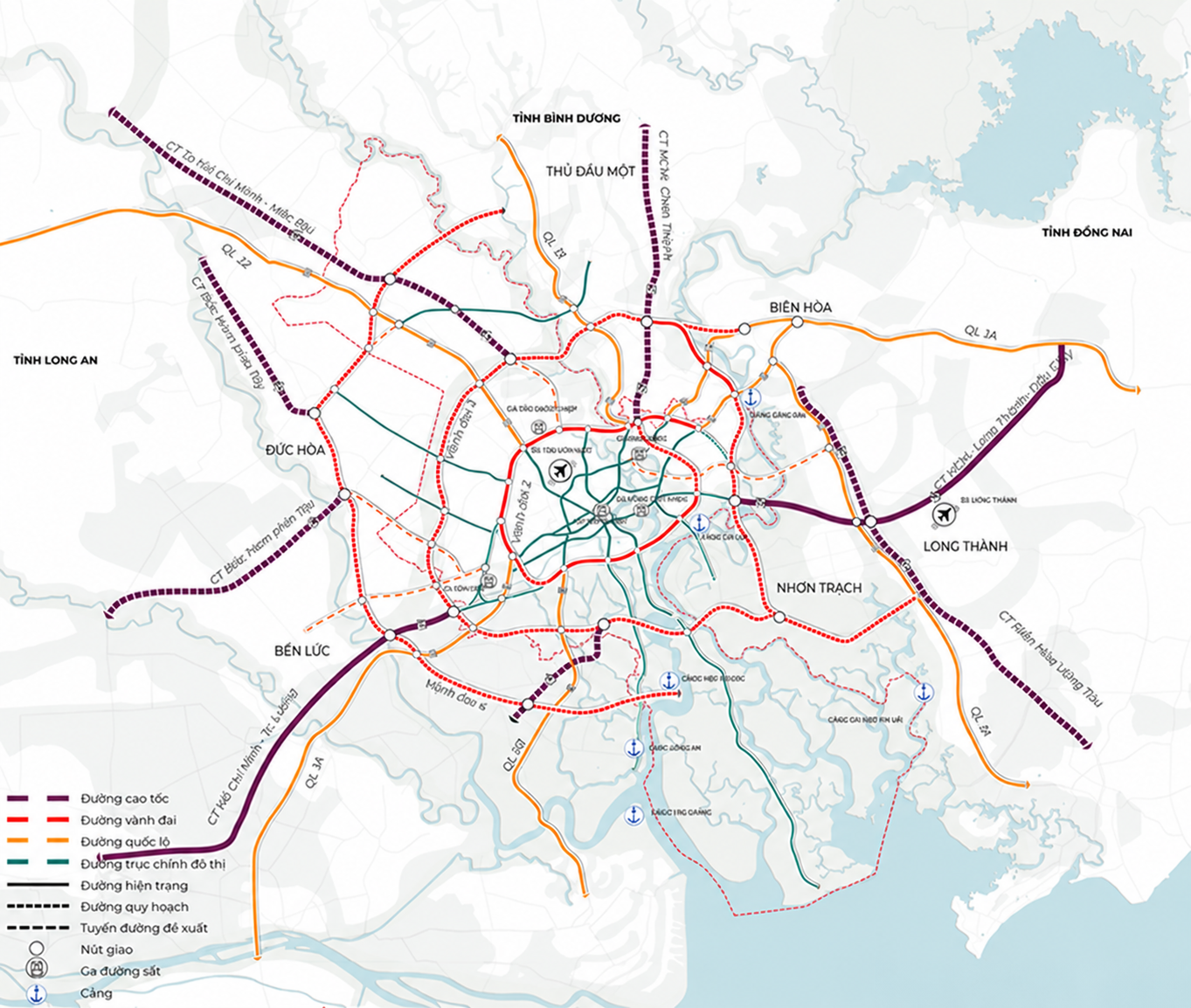
As the city expands its economic footprint, high-capacity transportation systems will be essential to connecting specialized business districts, industrial clusters, logistics centers, and international gateways. The master plan prioritizes transit-oriented development (TOD), regional expressway connectivity, and multi-layered urban planning to improve accessibility and optimize land use.
| Infrastructure Component | Planning Framework |
|---|---|
| Urban Rail Network | 18 planned metro lines, approximately 961 km |
| Light Rail & Tram Systems | Approximately 450 km |
| Public Transit Modal Share | Target of 55–65% by 2050 |
| Regional Expressway Network | Ring Road 3 and Ring Road 4 |
| Underground Urban Planning | Three-tier subterranean development framework |
The long-term objective is to increase public transportation's modal share to 55–65% by 2050, reducing reliance on private vehicles while improving connectivity between major commercial and economic centers. For commercial real estate, the expansion of mass transit could reshape corporate location preferences and strengthen the attractiveness of strategically located office and retail assets.
Three-Tier Underground Space Framework
To optimize land utilization and preserve surface-level urban space, the master plan introduces a three-tier underground development framework.
The integration of transportation infrastructure and underground urban development may create additional opportunities for commercial activities, particularly around major transit stations and high-density business districts. For investors and occupiers, accessibility, pedestrian connectivity, and proximity to major transit infrastructure will increasingly influence location competitiveness and long-term asset performance.
Commercial Real Estate Market Implications & Sectoral Outlook
HCMC's commercial real estate market in Q3/2026 reflects an evolving supply-demand landscape shaped by economic expansion, infrastructure development, regulatory adjustments, and changing corporate requirements. While established commercial districts continue to attract institutional occupiers, emerging economic corridors are creating new opportunities for office, industrial, logistics, and retail developments.
Financial footnote: real estate values across office, retail, and industrial submarkets are benchmarked at an exchange rate of US$1 = VND 26,300.
| Sector | Existing Supply | Occupancy | Vacancy | Average Net Rent |
|---|---|---|---|---|
| Grade A & B Office (HCMC) | ~1.87M sqm | 86.2%* | 13.8%* | Grade A: US$48.2 |
| Grade A Office – CBD | Included above | – | – | US$53.8 |
| Grade A Office – Non-CBD | Included above | – | – | US$36.4 |
| Grade B Office (HCMC) | Included above | 91.2% | 8.8% | US$26.0 |
| Retail (HCMC) | 1.10M sqm | 95.0% | 5.0% | US$54.9 |
| Southern Industrial Park Land | 36,500 ha | 75.6% | 24.4% | US$184.90 / term |
| Ready-Built Factory (RBF) | 6.83M sqm | 92.6% | 7.4% | US$4.9 |
| Ready-Built Warehouse (RBW) | 6.60M sqm | 91.9% | 8.1% | US$4.7 |
*Office occupancy and vacancy figures should be interpreted according to the relevant market coverage and asset classification used in the underlying NAI dataset. Rents exclude service charges and VAT.
Regional Benchmark: Southern vs. Northern Markets
HCMC maintains a premium rental position in Vietnam's office market, reflecting its concentration of multinational corporations, financial institutions, and professional services firms. In Q3/2026, HCMC Grade A office rents averaged approximately US$48.2/sqm/month, compared with US$29.8/sqm/month in Hanoi, with Grade A occupancy of 86.2% versus 73.1%.
Office Sector Analysis
Total Grade A and Grade B office supply in HCMC remained relatively stable in Q3/2026. The market is projected to approach approximately 1.9 million sqm by December 2026, following the expected completion of The Kross, representing approximately 33,400 sqm of additional leasable office space. NAI Vietnam acts as Co-lead Marketing & Leasing Agent for The Kross.
Overall Grade A rents increased by 0.7% QoQ and 1.1% YoY to approximately US$48.2/sqm/month, excluding service charges and VAT, with average service charges of approximately US$7.2/sqm/month. Grade A occupancy reached 86.2%, up 1.1 percentage points QoQ, while CBD Grade A properties averaged US$53.8/sqm/month versus US$36.4/sqm/month in non-CBD locations. Grade B occupancy reached 91.2%, with average rents stable at US$26.0/sqm/month.
Office demand was primarily supported by information technology, manufacturing, banking, finance, and insurance occupiers. Cost optimization and Flight-to-Quality strategies continued to influence relocation decisions, with IT and technology companies accounting for approximately one-third of reported corporate relocation transactions.
Industrial & Logistics Real Estate
Southern industrial park land supply, encompassing HCMC, Dong Nai, and Tay Ninh under post-merger regional tracking, reached approximately 36,500 hectares in Q3/2026, with average occupancy of 75.6%. Average industrial land lease rates reached approximately US$184.90/sqm/lease term, within a regional range of US$110–250/sqm. Demand was primarily supported by electrical and electronics manufacturing, logistics, textiles, mechanical engineering, and FMCG businesses.
Ready-built factory supply stood at approximately 6.83 million sqm (92.6% occupancy, asking rents US$4.9/sqm/month), while ready-built warehouse supply reached approximately 6.60 million sqm (91.9% occupancy, asking rents US$4.7/sqm/month). Southern RBF supply is expected to expand by approximately 198,678 sqm in 2026, driven by Phase 2 of the BW Supply Chain project in HCMC (~155,800 sqm) and Phase 2 of IDICO Huu Thanh (~42,878 sqm).
- HCMC: ~14 new industrial parks, ~3,833 ha planned through 2033
- Tay Ninh: target of ~100 IPs covering 31,340 ha by 2030
- Dong Nai: pipeline of 89 IPs, ~43,386 ha (44 active, 45 developing)
- Bac Chau Duc IP: ~1,200 ha added to inventory in 2026
Retail Market Dynamics
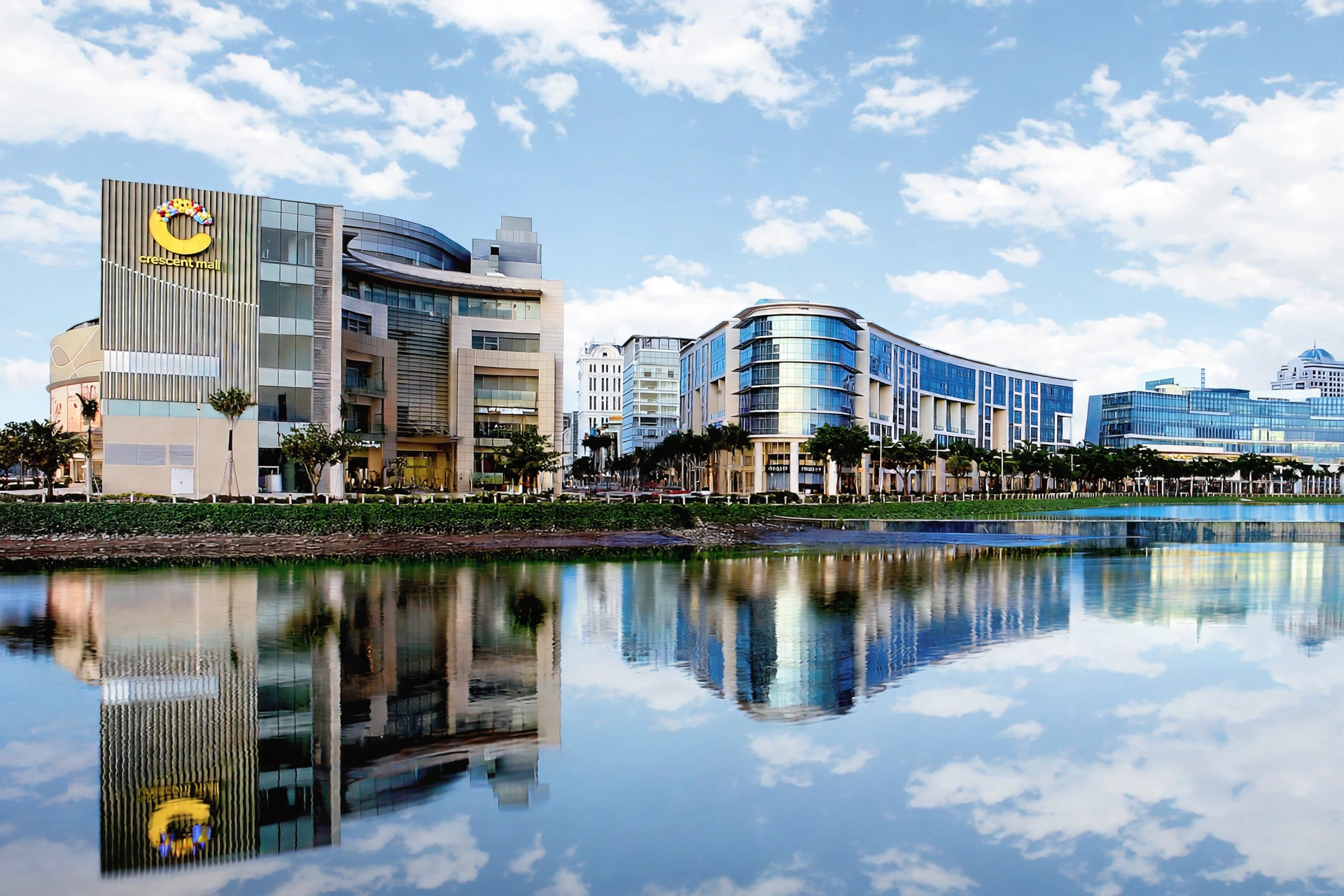
Total HCMC retail supply remained relatively stable at approximately 1.1 million sqm in Q3/2026. Overall market occupancy reached 95.0%, down 1.0 pp QoQ, with average citywide asking rents of approximately US$54.9/sqm/month. Prime CBD retail centers continued to command significantly higher rental levels, ranging from approximately US$150–300/sqm/month for ground and first-floor space. The market is expected to receive approximately 120,000 sqm of additional supply, including Lancaster Legacy (~18,500 sqm, 2026), Aeon Mall Hoc Mon (~67,000 sqm, 2029), and One Central (~32,000 sqm, 2030).
Transit-oriented development represents an important long-term opportunity. As the metro network expands, locations surrounding major transit stations may benefit from improved pedestrian accessibility, stronger commercial connectivity, and increased potential for retail and service-oriented activities.
Strategic Recommendations for Investors and Occupiers
HCMC's long-term metropolitan vision introduces a new spatial framework for commercial real estate investment and corporate location planning. To capitalize on these structural changes, market participants should align property strategies with infrastructure delivery, market fundamentals, and the evolving distribution of economic activities.
1. Capital Allocation & Industrial Land Bank Positioning
Institutional capital allocators should evaluate industrial and logistics opportunities along Ring Roads 3 and 4, the Long Thanh logistics corridor, and the Southern maritime development zone. Industrial land bank positioning across Tay Ninh and Dong Nai may offer strategic advantages as regional expressway connectivity improves. Decisions should incorporate acquisition costs, legal clearance, infrastructure readiness, leasing absorption, and development timelines rather than relying solely on anticipated infrastructure-driven appreciation.
2. Corporate Occupier Location Strategy
Corporate occupiers should consider a structured hub-and-spoke strategy to balance accessibility, operating costs, and workforce requirements. Client-facing executive functions, legal teams, treasury units, and headquarters may remain anchored in established Grade A districts, particularly the CBD and the VIFC, while technical support, software development, and R&D functions may be decentralized to modern campuses in emerging eastern and northern corridors.
3. Regulatory & ESG Risk Management
Market participants should closely monitor regulatory transitions under updated land policy frameworks, particularly changes affecting land valuation, compensation, site clearance, and development approvals. Industrial and commercial developers should incorporate green building certifications such as LEED and EDGE, alongside energy-efficiency measures and carbon-data monitoring, into asset development and management strategies.
4. Commercial Value Creation in TOD Precincts
Investors should evaluate commercial properties within accessible walking distances of planned and operational metro stations, particularly where infrastructure improvements coincide with established business districts and commercial demand. Feasibility should be assessed against actual infrastructure completion schedules, pedestrian accessibility, tenant demand, and the commercial viability of each location.
Advisory Statement
As Ho Chi Minh City advances toward its long-term metropolitan vision, understanding where economic activities will concentrate—and how infrastructure, policy, and market fundamentals interact—will become increasingly critical to commercial real estate decision-making. Through market research, investment advisory, leasing, and transaction management services, NAI Vietnam assists clients in identifying strategic opportunities, evaluating market conditions, optimizing property portfolios, and executing informed real estate decisions.
NAI Vietnam
Authorized Representative of the NAI Global Network in Vietnam.
Practice Groups: Research & Investment Advisory | Sales & Leasing | Asset & Property Management.
Address: 100 Nguyen Thi Minh Khai, Xuan Hoa Ward, Ho Chi Minh City, Vietnam
Hotline: +84 901 665 445 · Email: info@naivietnam.com
Website: https://naivietnam.com/