


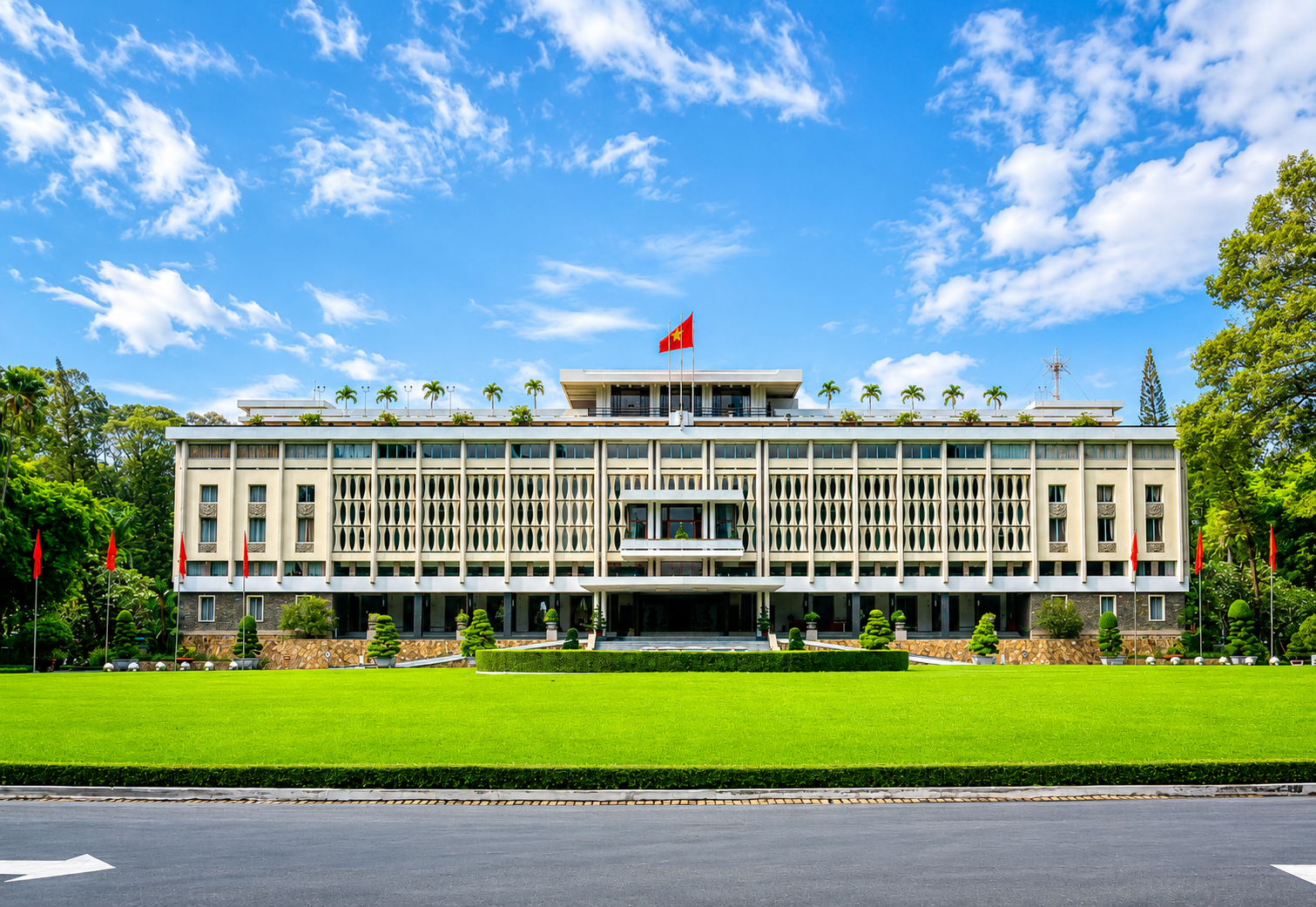


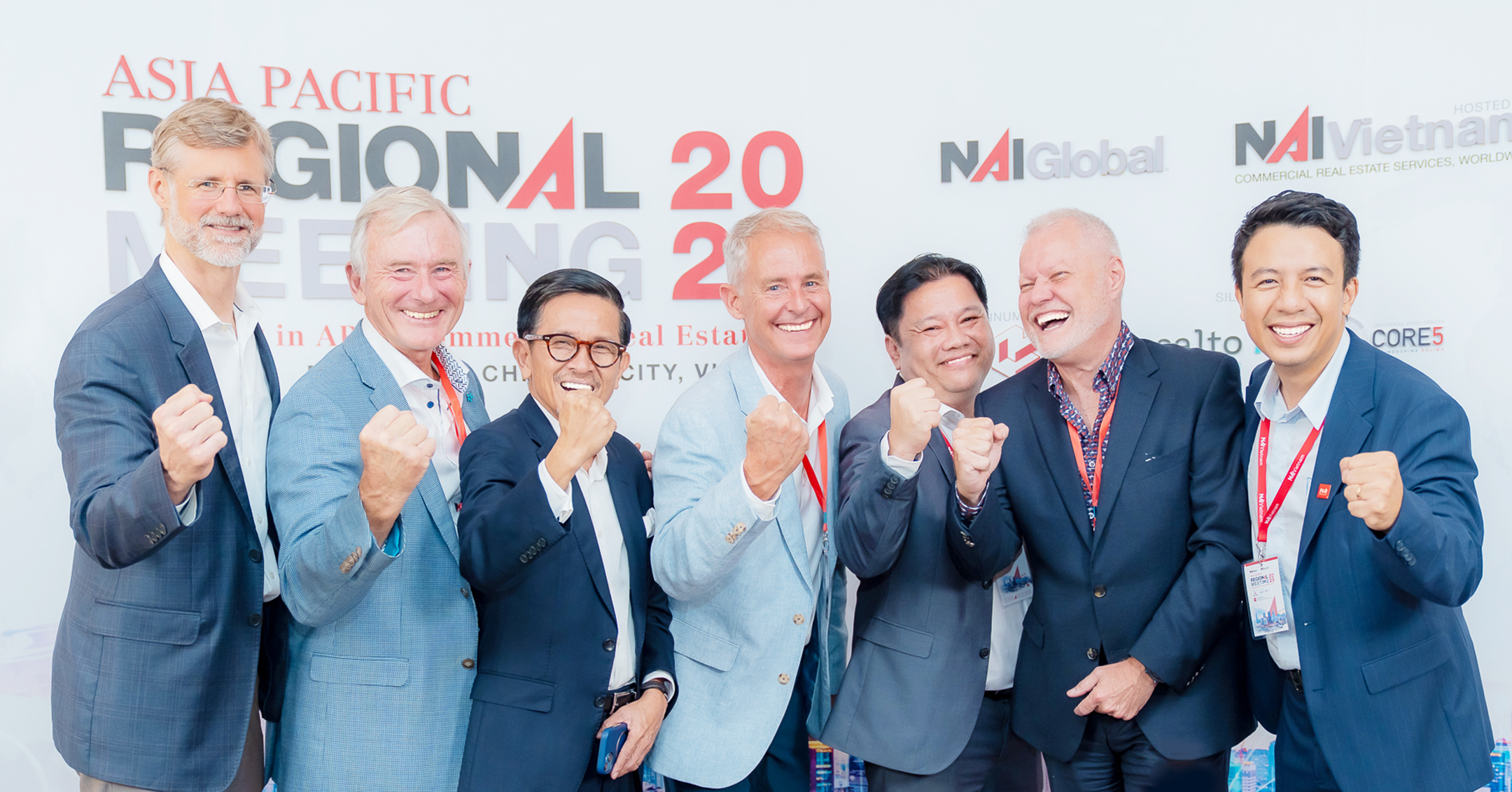
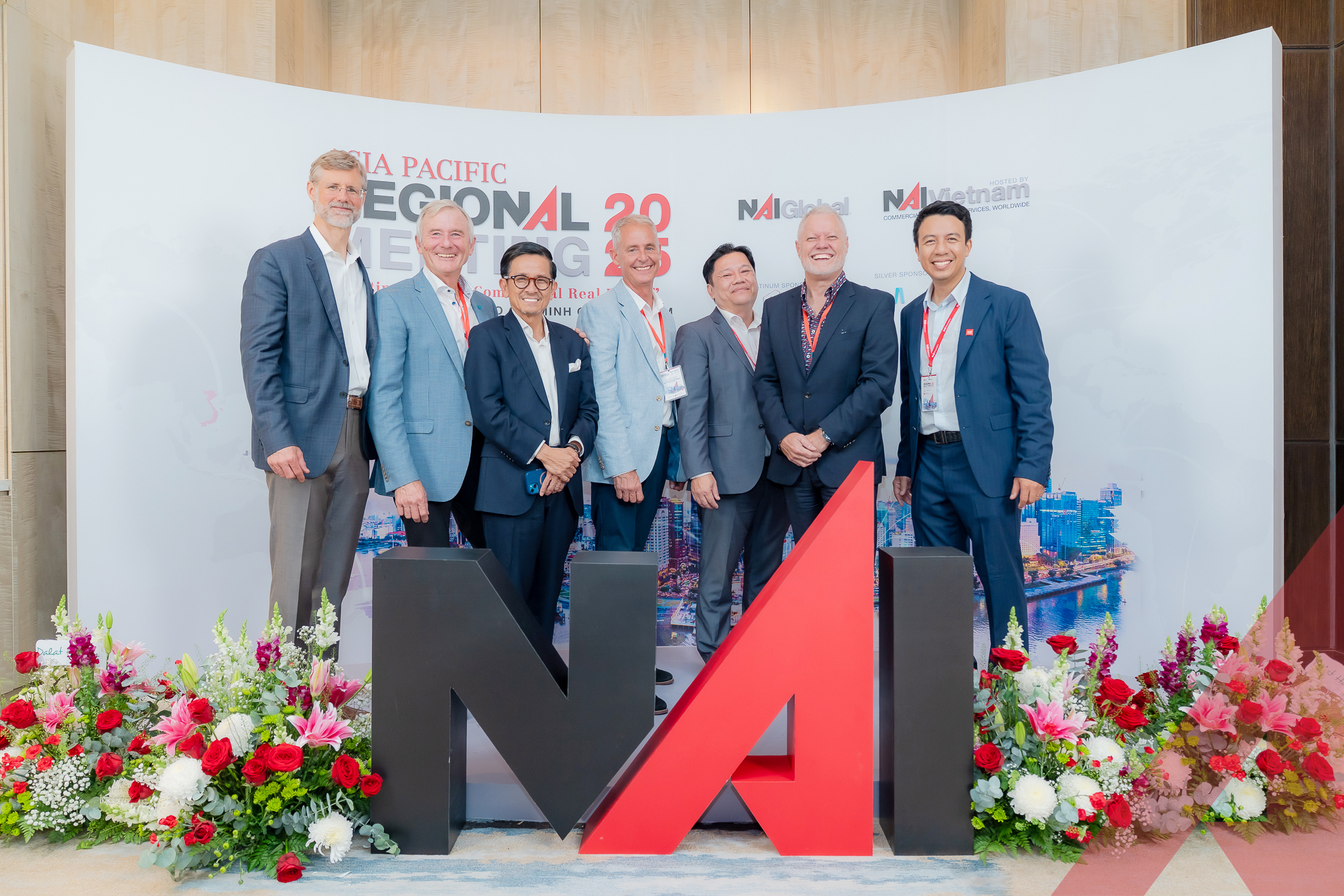
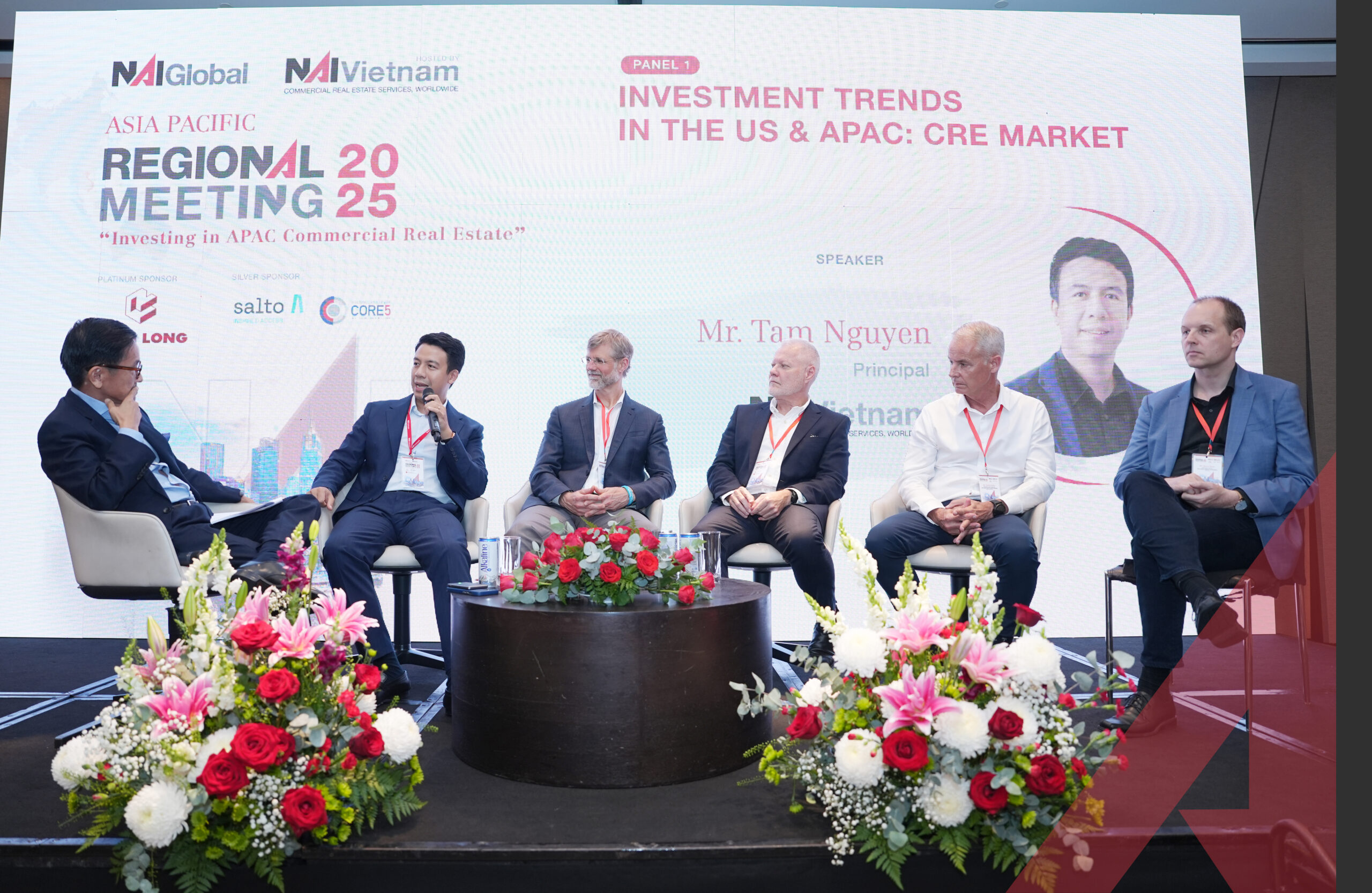
The NAI APAC Regional Meeting 2025, hosted by NAI Vietnam in Ho Chi Minh City on 22 May 2025, brought together leading industry professionals, investors, and senior executives from across the global commercial property sector. The event provided valuable insights into the evolving role of the modern real estate agent amid shifting workplace trends, changing occupier expectations, and increasing market competition across Asia Pacific.
As commercial real estate markets continue to evolve, the conference highlighted how real estate agents are increasingly required to provide strategic advisory services beyond traditional leasing activities. Market knowledge, workplace strategy, investment consulting, and occupier solutions are becoming central to the future of the industry.
Flexible Workspace Trends Creating New Challenges for Real Estate Agents
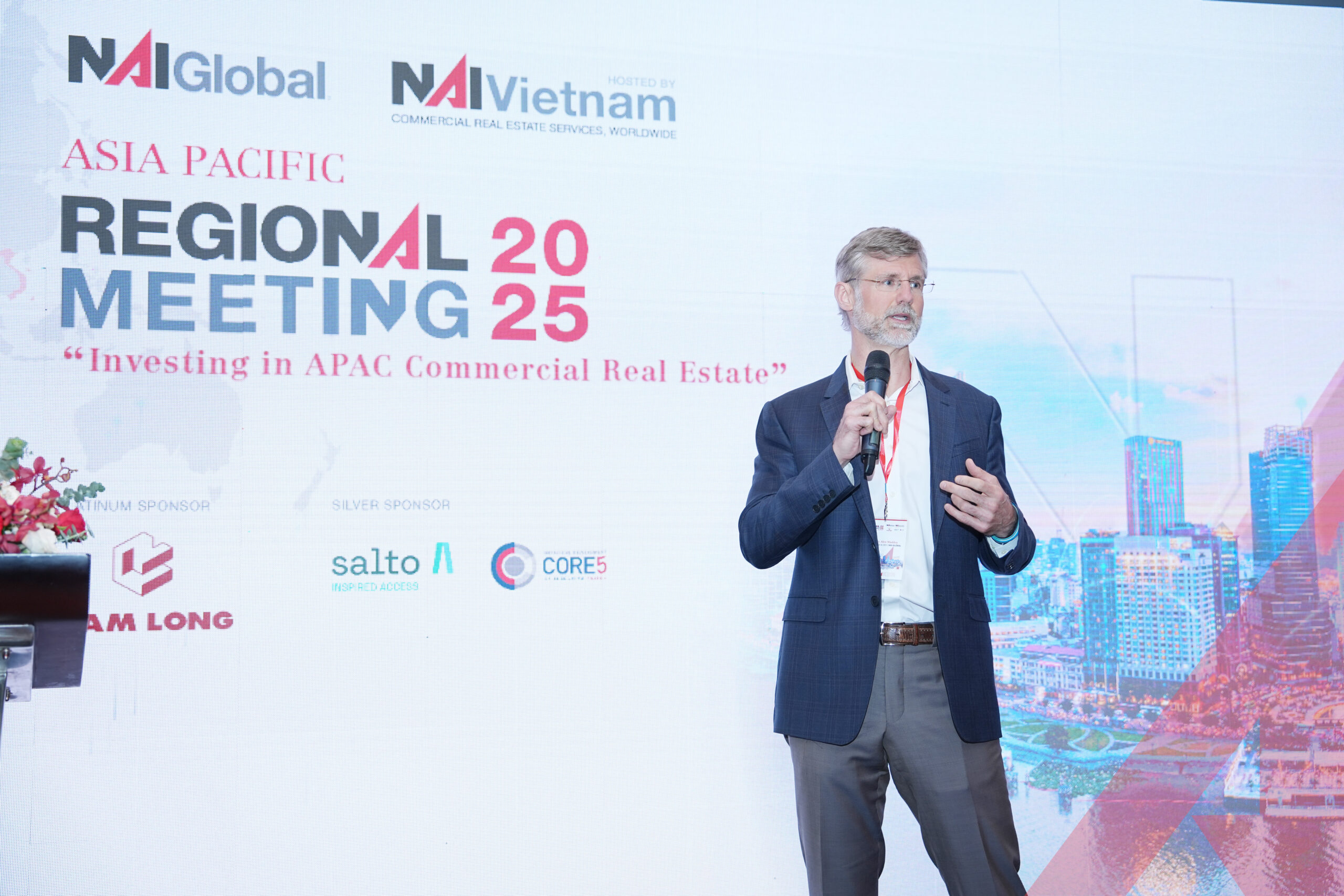
During the conference, Mr. Alex Waddey, President of NAI Global, discussed the impact of rising office supply and the rapid expansion of flexible workspace models on traditional office markets.
According to Mr. Waddey, the surge in occupier demand over the past two years, combined with increasing new supply and the continued growth of flexible office operators, is creating additional pressure on conventional office leasing performance. These dynamics are reshaping how every real estate agent approaches occupier strategy, tenant retention, and long-term leasing advisory.
The discussion also highlighted the growing importance of workplace adaptability as occupiers increasingly prioritise flexibility, operational efficiency, and employee experience when selecting office space.
Integrated Developments Becoming a Growing Focus Across Commercial Real Estate
Mr. Andrew Bruce, Owner and Principal of NAI Harcourts North Shore, noted that commercial developers are increasingly repositioning assets to align with changing market demand and evolving consumer behaviour.
A growing trend across several international markets is the conversion of traditional office towers into integrated mixed-use developments combining premium office environments with retail, hospitality, and lifestyle components. This evolution is creating new opportunities for the modern real estate agent to deliver broader strategic advisory services to both investors and occupiers.
Mr. Bruce also highlighted increasing investor interest in long-term leasing structures that provide competitive incentives and stable occupancy outcomes, helping support tenant retention and long-term asset performance.
Ho Chi Minh City Continues to Attract Investor Interest
Despite global market challenges, speakers at the conference remained optimistic about the long-term outlook of Ho Chi Minh City’s office sector and Vietnam’s broader commercial real estate market.
Mr. Tam Nguyen, Principal of NAI Vietnam, shared that office assets in Ho Chi Minh City continue to attract strong interest from both domestic and international investors. International buyers, in particular, are actively seeking income-generating office properties capable of delivering stable long-term returns.

For many investors and occupiers entering the Vietnamese market, partnering with an experienced real estate agent has become increasingly important in navigating market conditions, identifying strategic opportunities, and managing long-term commercial real estate decisions.
Supply Constraints May Shape the Future Office Market
While the market outlook remains positive, Mr. Tam Nguyen also identified limited land availability and regulatory constraints as two major challenges facing Ho Chi Minh City’s future office supply pipeline.
As economic growth continues accelerating and occupier demand remains strong, the city may face tightening availability of premium office space over the coming years if new developments are delayed. This evolving environment is expected to further strengthen the advisory role of the professional real estate agent, particularly within the premium office segment.
The Evolving Role of Real Estate Agents in Asia Pacific
The NAI APAC Regional Meeting 2025 reinforced the growing importance of strategic advisory capabilities within the commercial property sector. Across Asia Pacific, the role of the real estate agent is evolving beyond traditional brokerage services toward a more comprehensive approach focused on occupier strategy, investment consulting, workplace transformation, and long-term asset performance.
As office markets continue adapting to new workplace trends and sustainability priorities, real estate professionals capable of delivering market intelligence and strategic guidance will remain increasingly valuable to both investors and occupiers throughout the region.